
Key Takeaways:
- Your website directly impacts how well your marketing performs.
- Design, UX, and mobile responsiveness all influence conversions.
- Small usability issues can create friction that costs you leads.
- A well-designed website should guide users toward clear actions.
- Strategy and design need to work together to support growth.
Most businesses don’t struggle with marketing because they’re doing nothing. They struggle because the pieces aren’t fully working together. And more often than not, the brand’s website is at the center of that.
It’s where your campaigns lead. It’s where decisions get made. And it’s where potential customers either move forward… or drop off.
So while website design might seem like a standalone project, it plays a much larger role in how your marketing performs overall.
Why Every Business Needs Professional Website Design
You can run ads, send emails, post on social — and it all comes down to whether your website supports those efforts when it’s time to convert.
Every campaign eventually leads back to a website or landing page. When it does, a few things happen quickly:
- Visitors decide if your business feels credible
- They look for what they need (and expect to find it quickly)
- They decide whether it’s worth taking the next step
If that user experience feels confusing, slow, or disconnected, your marketing won’t perform the way it should. Simply put, if you have a website, you want it to be driving action.
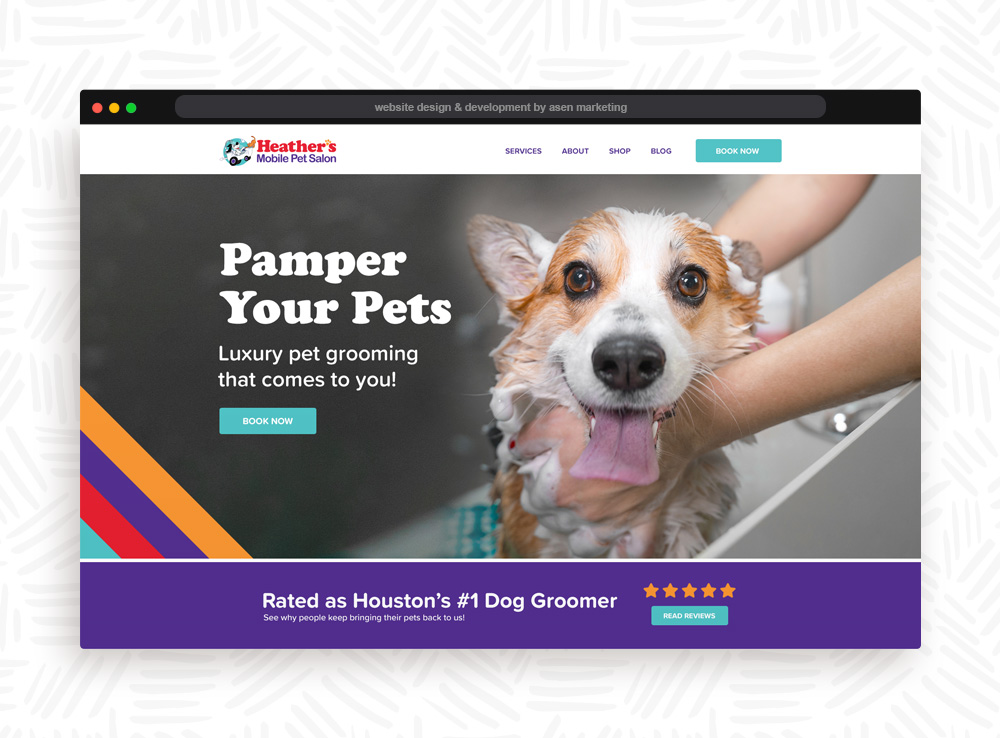
Creative Web Design Can Improve Your Conversion Rates
Good design doesn’t just make your website look better. It helps it perform better.
When someone lands on your site, they’re not reading every word — they’re scanning. They’re reacting to layout, spacing, visuals, and how easily they can move from one point to the next, whether they even know it or not. That’s where thoughtful design starts to make a difference.
Strong conversion-focused design often comes down to a few key decisions:
- Clear, intentional calls-to-action that feel natural within the page
- Page layouts that guide users toward a next step without confusion or frustration
- Visual contrast & spacing that draw attention to what matters most
The creative side of web design plays a major role here, too. A site that feels visually polished, on-brand, and consistent builds confidence quickly. It tells users they’re in the right place, and that the business behind it pays attention to detail.
User Experience Directly Impacts Marketing Success
User Experience (UX) is where design, content, and functionality all come together.
If your site is difficult to navigate or takes too long to understand, users won’t stick around long enough to convert. That’s why strong UX focuses on making things feel simple through strategic visual hierarchy.
The way content is arranged — headings, spacing, imagery, and flow — helps guide users through the page without confusion. And it builds trust. When a site feels organized and intentional, users are more likely to stay engaged and take the next step.
The Benefits of Mobile-Responsive Website Design
A lot of the time, your website is being viewed on a phone. So, if your site isn’t built to work well on smaller screens, that experience breaks down quickly.
Text becomes harder to read.
Buttons are more difficult to click.
Navigation feels cramped or unclear.
A mobile-responsive site is designed to adjust to smaller screens like phones and iPads automatically, making sure everything still works the way it should across devices. This keeps users on the pages longer and makes it easier for them to engage, whether they’re casually browsing or ready to take action.
Effective Mobile Website Layout Strategies Generate More Leads
Mobile design isn’t just about shrinking content, it’s about rethinking how people interact with your site. On mobile, attention spans are shorter and space is more limited, meaning your website design agency needs to be intentional with every layout choice.
Effective mobile web design layouts often include:
- Simple, vertical flow that’s easy to scroll through
- Clear, thumb-friendly calls-to-action (CTAs)
- Concise messaging that provides clear value to the visitor
When these elements are in place, it becomes easier for users to engage without friction. And that has a direct impact on conversions.
Three Quick Questions to Test Your Site
Before you make changes, take a step back and look at how your site is performing today.
Designing a Custom Website Development Strategy with Asen
If your website isn’t supporting your marketing the way it should, it’s worth taking a closer look.
Whether that means refining what you already have or starting fresh, the goal is the same: build a site that helps your marketing perform, not hold it back.
If you’re ready to start that conversation, reach out to the Asen team at info@asenmarketing.com. We’re here to help you outgrow “ordinary” with a website that works as hard as the rest of your marketing.
This article was authored by Eric Kinder, Developer at Asen Marketing. Eric has years of experience in website development, software engineering, and graphic design.